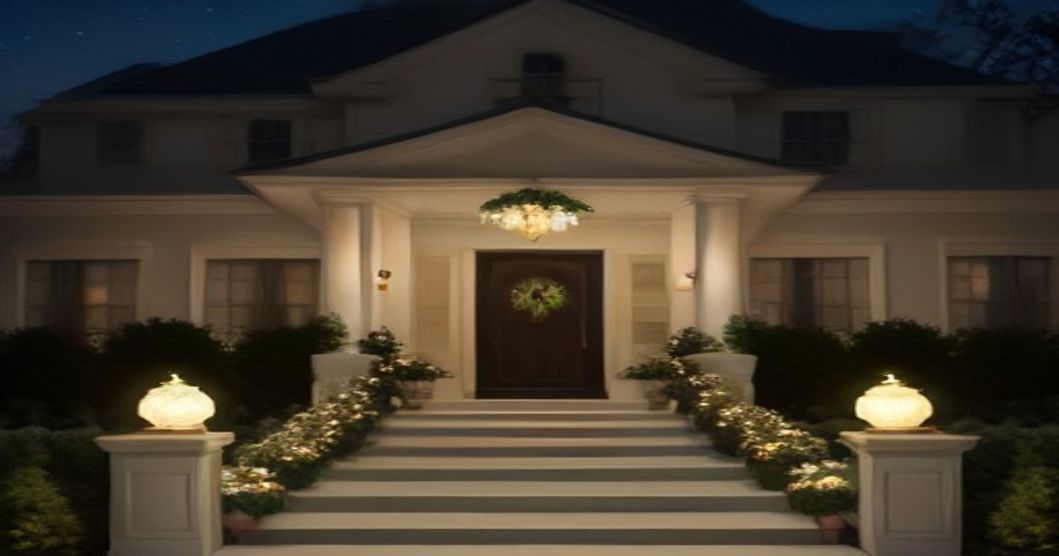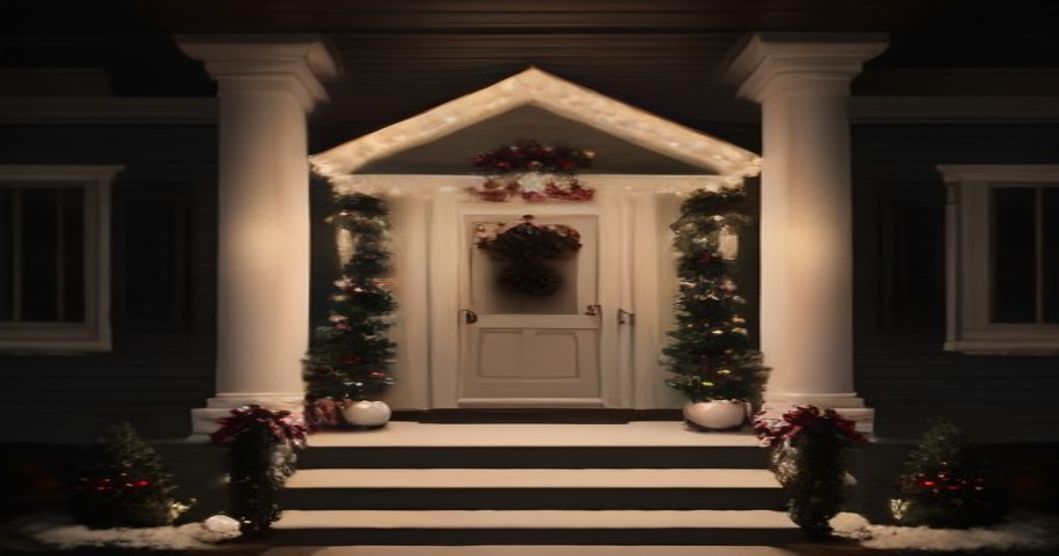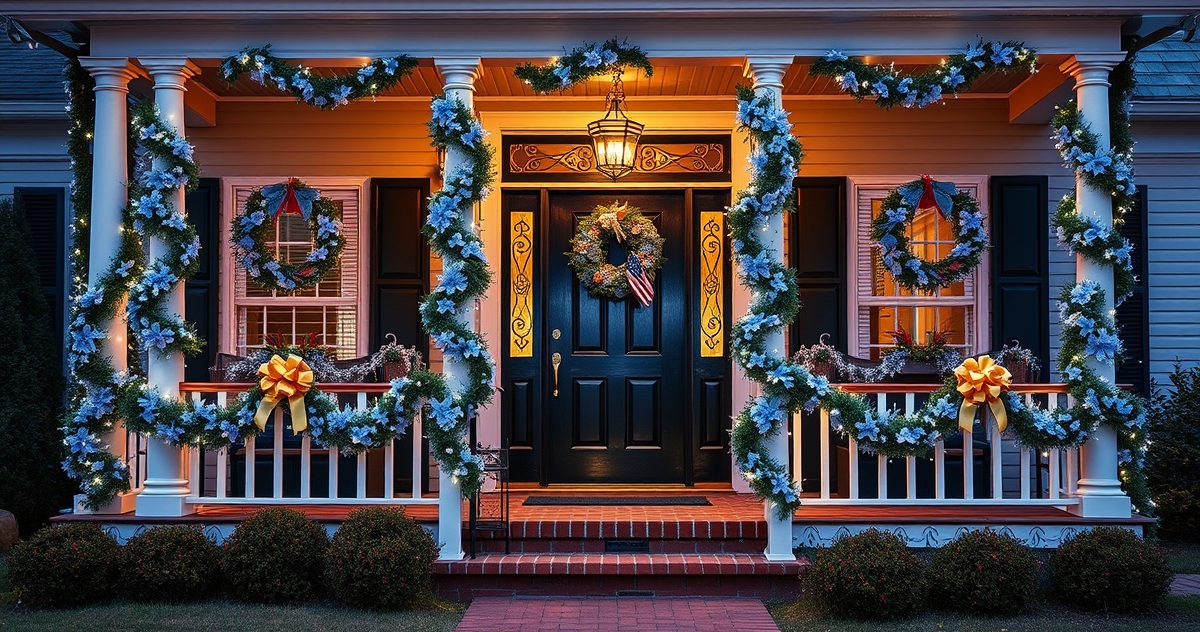
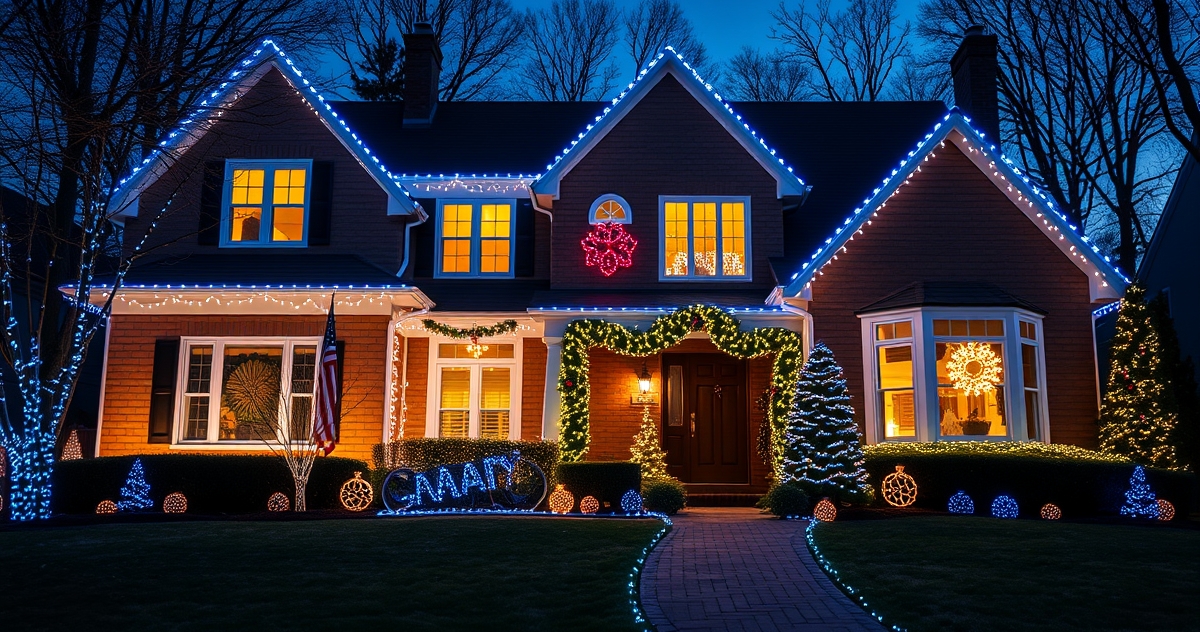
The first lake-effect band rolls in off Lake Erie, and within an hour your street is buried under a foot of snow. By the time the squall clears, half the displays in the neighborhood are sagging, flickering, or dark. But one house still glows — a clean line of warm white C9 bulbs tracing the roofline, every shrub wrapped in mini lights, the whole front yard cutting through the storm like it never happened. That's not luck. That's cold-weather installation done right.
Buffalo throws everything at a holiday lighting display: subzero temperatures, ice storms, and the legendary snowbelt totals that can top 80 inches in a single season. Decorating here isn't about copying what works in milder climates. It's about understanding how lights, clips, and wiring behave when the mercury drops below zero — and planning your 2026 display accordingly.
Why Buffalo Weather Demands a Different Approach
Most holiday lighting failures in Western New York trace back to the same culprit: equipment and methods that aren't built for the cold. Cheap incandescent strands turn brittle in deep freeze. Plastic clips crack when handled at 10 degrees. Connections that aren't sealed properly let in moisture, freeze, and short out during the first thaw-refreeze cycle.
Buffalo's climate is uniquely punishing because it combines three forces: extreme cold, heavy wet snow loads, and rapid temperature swings around Lake Erie. A display has to survive being buried, then exposed, then buried again — sometimes within the same week. That's why professional installers here lean on durable, commercial-grade products and proven mounting techniques rather than the discount strands you'd find at a big-box store.
C9 Bulbs: The Backbone of a Buffalo Roofline
For cold-weather rooflines, nothing beats the classic C9 bulb. These large, iconic bulbs are the gold standard for American roofline lighting, and LED versions are practically made for Buffalo conditions. They draw minimal power, generate almost no heat (so they won't melt into snow and ice the way incandescents can), and stay vivid even when the temperature plummets.
Warm white C9 bulbs are the most requested color for residential rooflines across Western New York. The reason is simple: warm white reads as elegant and inviting against a backdrop of white snow, where harsher colors can look cold or washed out. Picture a steep Buffalo gable lined in warm white C9s — the snow catches the glow and the whole house seems to radiate heat even when it's single digits outside.
Professional installers space C9 bulbs evenly along the fascia and ridge, using all-weather clips designed for the specific roof and gutter type. Done correctly, the line stays crisp and unbroken even after a heavy snowfall slides off the roof. Learn more about how we handle this on our residential lighting page.
LED vs. Incandescent in Subzero Temps
In Buffalo, LED C9 bulbs win every time. They consume up to 90% less energy, which matters when your display runs for six weeks straight. More importantly, they don't suffer the filament fatigue that causes incandescent bulbs to fail in extreme cold. A single burned-out incandescent can darken an entire strand; a failed LED rarely takes its neighbors down with it.
Mini Lights for Shrubs, Trees, and Detail Work
While C9 bulbs define the roofline, mini lights bring the rest of the yard to life. These smaller string lights are perfect for wrapping boxwoods, evergreens, porch columns, and the trunks and branches of front-yard maples and oaks. In a Buffalo winter, a yard full of snow-dusted shrubs wrapped in warm white mini lights creates a layered, dimensional display that a roofline alone can't achieve.
The key in our climate is using commercial-grade mini light strands with sealed connections and wrapping them tightly enough that snow load won't pull them loose. Loose wrapping is the number one reason mini lights sag and drop off in the snowbelt. Tight, professional wrapping keeps every branch defined even after a fresh six inches.
- Boxwoods and low shrubs: Wrap from the base upward for full coverage
- Tree trunks: Spiral wrap with consistent spacing for a clean barber-pole effect
- Porch railings and columns: Combine mini lights with garlands and bows for a finished look
- Walkway evergreens: Light the path to your door for both beauty and safety on icy nights
Planning Your 2026 Buffalo Display
The biggest mistake Buffalo homeowners make is waiting too long to plan. Installation season in Western New York is short — once the deep cold and snow arrive, safe rooftop work becomes difficult and dangerous. The smartest residents lock in their designs and installation dates during the warmer months.
A solid 2026 plan starts with a walk-around of your property. Map out where the C9 roofline goes, which shrubs and trees get mini light treatment, and where garlands, wreaths, and bows add finishing touches at the front door. Consider your power sources, timer placement, and how snow tends to drift on your particular lot.
If you're balancing cost across a full display, our guide on how to plan a holiday lighting budget in New York walks through prioritizing the elements that deliver the most impact. And if you've seen the early-booking advantages other cities enjoy, check out how homeowners in nearby markets approach it in our Rochester roofline booking guide and the Syracuse snowbelt guide — both regions face cold and snow challenges similar to Buffalo's.
Commercial and Municipal Lighting in Western New York
Buffalo isn't just residential rooflines. Storefronts on Elmwood Avenue, office buildings downtown, and municipal squares all rely on professional holiday lighting to draw crowds and project warmth during the long winter. Commercial displays demand even more durability — they run longer hours, cover larger structures, and must hold up to the same lake-effect punishment as homes, often without the option of easy access for repairs.
For businesses, cool white and warm white C9 bulbs paired with mini light accents create a polished, professional look that reads well from the street and in photographs. Our commercial lighting services handle everything from design through takedown and storage, so business owners never climb a frozen ladder. Property managers and municipalities can rely on installers who understand load-bearing, electrical code, and the realities of maintaining a display through a Buffalo winter.
Surviving Lake-Effect Snow: Maintenance Realities
Even the best-installed display needs to be built with maintenance in mind. In the snowbelt, a strand that fails mid-season is a real problem — you can't safely send someone onto an icy roof in January. That's why professional installs use redundant, sealed connections and high-quality LED products with low failure rates from the start.
Timers and photocells should be rated for outdoor cold-weather use and placed where they won't get buried. Power runs should be elevated off the ground where possible to avoid being trapped under packed snow and ice. These are the small details that separate a display that glows all season from one that goes dark after the first big storm.
Frequently Asked Questions
When should I book Christmas lights in Buffalo for 2026?
Earlier than you think. Because Buffalo's installation window closes once heavy snow and deep cold arrive, the best dates fill up fast. Booking in late summer or early fall guarantees your spot and gives time for proper design. Request a free quote well ahead of the season to secure your installation date.
Will C9 bulbs hold up in lake-effect snow and subzero temperatures?
Yes — LED C9 bulbs are ideal for Buffalo. They generate almost no heat, resist cold-weather failure, and stay vivid in extreme temperatures. When mounted with all-weather clips by professionals, a C9 roofline survives heavy snow loads and the freeze-thaw cycles common around Lake Erie.
What color lights look best against Buffalo snow?
Warm white is the most popular and arguably the most flattering against a snowy backdrop. It reads as elegant and inviting, and the glow reflects beautifully off fresh snow. Many homeowners use warm white C9 bulbs on the roofline and warm white mini lights on shrubs and trees for a cohesive look.
Can you install holiday lighting on a steep or tall Buffalo roof?
Absolutely. Professional installers are equipped and insured for steep gables, multi-story homes, and complex rooflines common in Western New York architecture. This is exactly the kind of work that's too dangerous to attempt yourself once ice and snow set in.
Do you handle takedown and storage after the season?
Yes. Full-service installation includes professional takedown after the holidays and proper storage of your lights and materials, so they're ready and in good condition for next year. This is especially valuable in Buffalo, where DIY takedown often means working in dangerous winter conditions.
A Buffalo winter doesn't have to dim your holidays. With cold-rated C9 bulbs, tightly wrapped mini lights, and an installation built for lake-effect reality, your home can glow warm white through every storm the season throws at it. Ready to plan your 2026 display? Get in touch or request a free quote — our team handles the design, the cold-weather installation, and the takedown, so you can simply enjoy the view.