Key Takeaways
- Ithaca's hillside terrain and freeze-thaw cycles require heavy-duty C9 bulbs and commercial-grade mini lights rated for wet locations.
- Warm white is the dominant color choice for Ithaca's historic and craftsman-style homes, complementing stone facades and natural wood trim.
- Book professional installation by September 2026 — Ithaca's short safe-ladder season between leaf-drop and hard freeze is roughly 4–6 weeks.
- A well-planned roofline plus tree-lighting package for a typical Ithaca hillside home runs $650–$1,800 installed, depending on lot complexity.
- Early summer planning locks in product availability and contractor slots before the regional rush hits central New York.
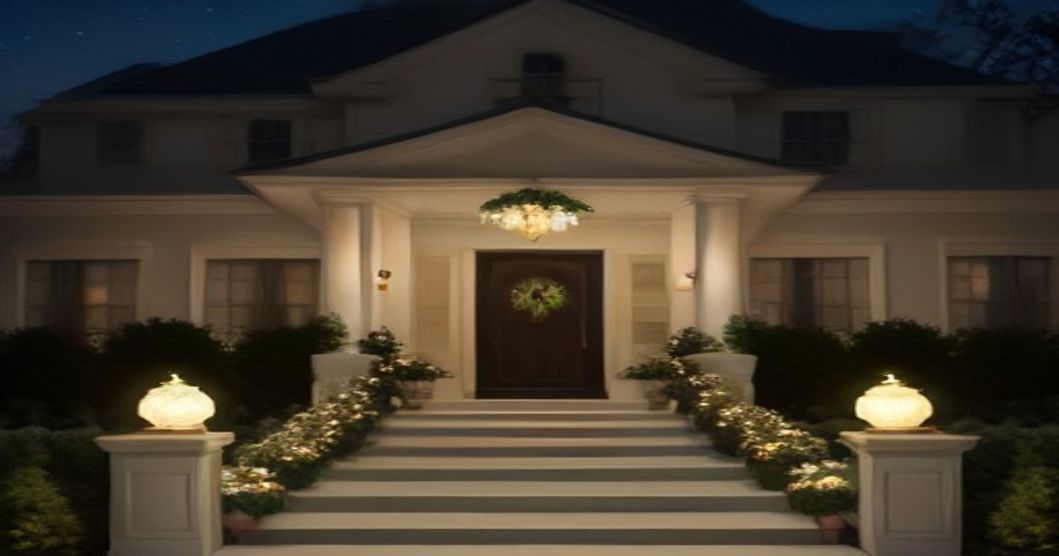
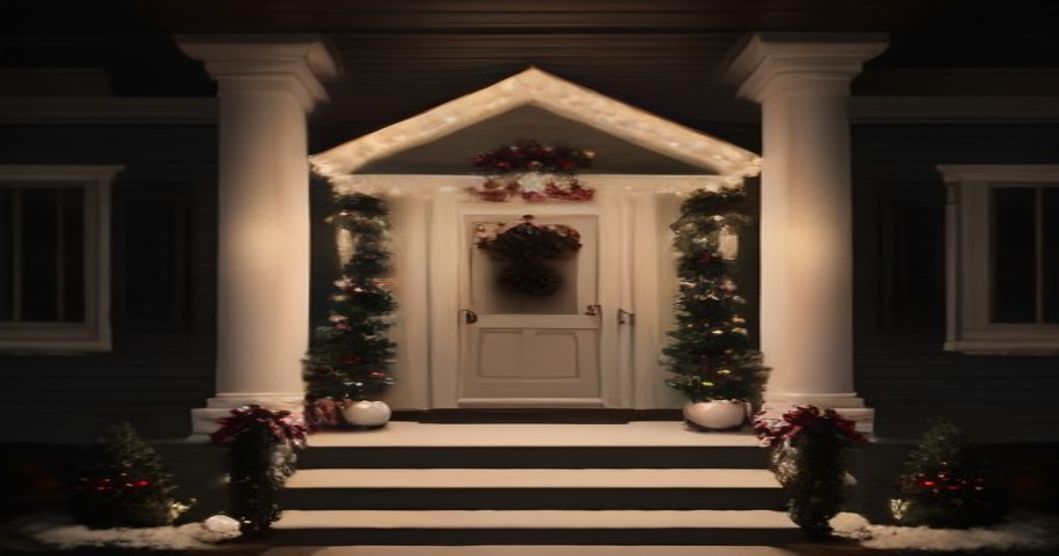
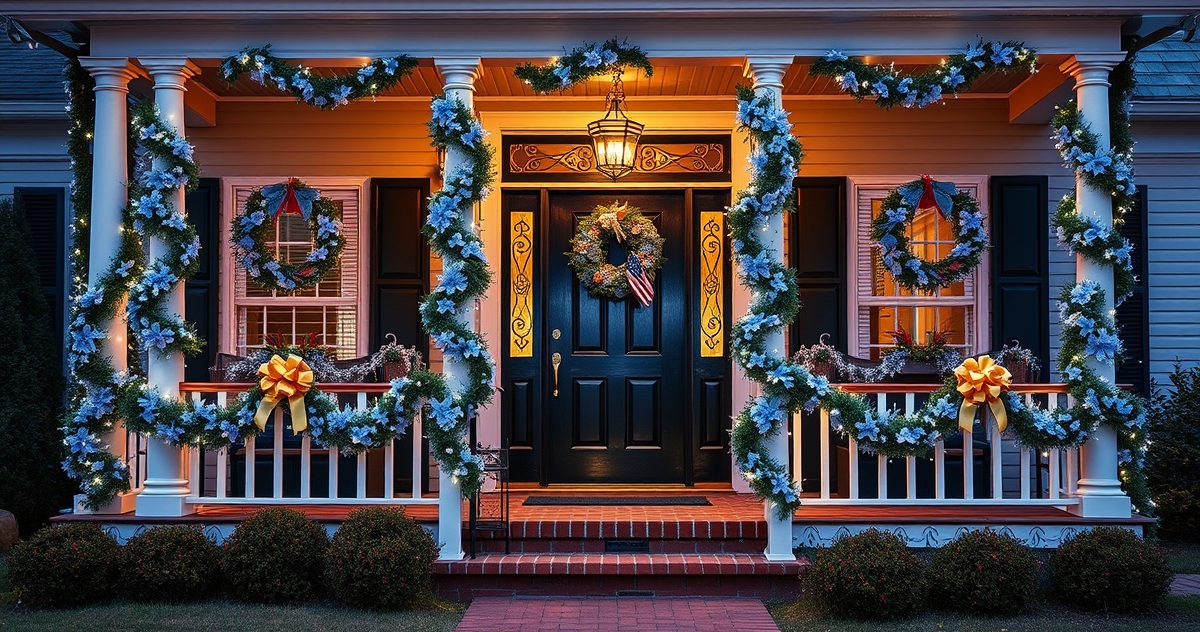
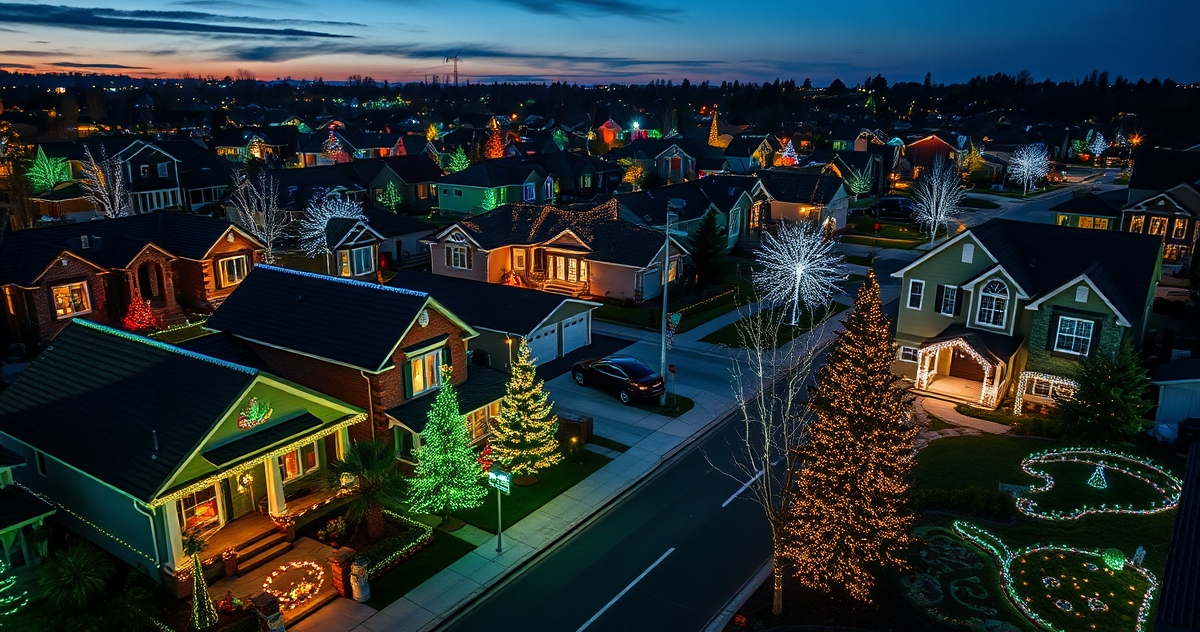
Stand at the bottom of one of Ithaca's steep, gorge-carved streets on a December evening and you'll understand immediately why holiday lighting here is a different project than it is almost anywhere else in New York State. The houses stack up the hillside like a theater set, rooflines visible from three streets away, every eave and gable lit against a sky that turns ink-black by 4:45 p.m. When a home is done right — warm white C9s tracing the roofline, mini lights nestled into the hemlocks out front — it stops traffic. When it's done wrong, one bad freeze pops half the strands by December 10th and you're up a ladder in an ice storm. This guide is built around that reality.
Why Ithaca Hillside Homes Need a Specialized Lighting Plan
Ithaca's topography is the defining variable for any outdoor lighting project. Homes on East Hill, South Hill, and the West Hill neighborhoods sit on grades that can exceed 15–20 percent, meaning a standard 6-foot stepladder is nearly useless and an extension ladder planted on a slope requires anchoring, leveling, and a spotter at minimum. The Finger Lakes climate compounds this: Ithaca averages roughly 60 inches of snow per season and experiences repeated freeze-thaw cycles that stress clip connections, erode caulked anchor points, and cause cheap plastic sockets to crack. Tompkins County sits in a narrow valley that funnels cold air off Cayuga Lake, so temperatures that read as tolerable on a regional forecast often feel 5–8 degrees colder on an exposed north-facing roofline.
Structural Considerations Unique to Ithaca Architecture
Ithaca's housing stock skews older. A significant portion of homes near Cornell University and downtown date to the 1880s–1940s, featuring steeply pitched slate or standing-seam metal roofs, ornate fascia boards, and deep overhangs. Metal roofs require non-penetrating magnetic or adhesive clips rather than standard shingle tabs, and slate absolutely cannot support a clip-and-nail approach. Victorian-era gingerbread trim — common in the Collegetown and Fall Creek neighborhoods — is irreplaceable; applying the wrong adhesive clip can pull off paint or splinter wood that costs hundreds to restore. Plan your attachment method before you buy a single strand.
Electrical Infrastructure on Older Properties
Many Ithaca homes built before 1960 have exterior outlet circuits rated at 15 amps. A single 15-amp circuit safely handles roughly 1,440 watts of continuous load. A 100-foot run of commercial-grade C9 bulbs using 5-watt LED replacements draws about 250 watts — very manageable. But if you're also running mini lights on three large blue spruce trees and a lighted wreath at the front door, you'll want to map your circuits before Black Friday. Consider having an electrician add a dedicated 20-amp GFCI exterior outlet if your display exceeds 1,200 watts on any single circuit.
Choosing the Right Products: C9 Bulbs vs. Mini Lights for Ithaca Conditions
The two workhorses of any serious Ithaca holiday display are C9 bulbs for architectural lines and mini lights for fill, trees, and detail work — and the distinction matters enormously in this climate.
C9 Bulbs for Rooflines and Ridge Lines
C9 bulbs — the large, faceted bulbs on a heavy SPT-2 wire — are the gold standard for roofline lighting in harsh climates. LED C9 replacement bulbs in warm white (typically 2700K–3000K) draw 0.5–1 watt each versus 5–7 watts for incandescent, meaning you can run longer runs on a single circuit without tripping breakers. For a typical Ithaca two-story with a full roofline perimeter of 180–220 linear feet, you'll need 180–220 sockets spaced 12 inches apart. Use commercial-grade SPT-2 wire rated for outdoor wet locations; the step up in cost — roughly $0.25–$0.40 more per foot — is trivial against the cost of replacing a shorted run in January. For a deep dive on C9 specifications and application, see our guide on C9 bulbs for New York rooflines.
Warm white C9s are particularly flattering against the sandstone, brick, and painted wood facades common in Ithaca. The 2700K tone mimics candlelight and complements the amber glow of interior incandescent lighting visible through windows — the result feels cohesive rather than performative.
Mini Lights for Trees, Shrubs, and Detail Work
Mini lights — the 5mm or M5 strands with 50–100 bulbs per run — are the right tool for wrapping trunks, draping deciduous trees, and outlining window frames. For Ithaca's mature deciduous trees (oaks, maples, and beeches are ubiquitous on East Hill), plan on 100 mini light bulbs per vertical foot of tree height as a starting rule. A 20-foot red maple at full wrap would need approximately 2,000 bulbs — 20 strands of 100, or 4 strands of 500. LED mini lights in warm white maintain their color temperature in cold far better than incandescent; incandescent mini lights run noticeably yellow once temperatures drop below 20°F, while LED warm white holds steady.
For hillside homes where trees are viewed from below at a steep angle, wrap the canopy generously — the upper two-thirds of the tree is what neighbors see from the street. Trunk wrapping alone looks unfinished from a distance.
Product Comparison: C9 Bulbs vs. Mini Lights
| Feature | C9 LED Warm White | Mini Lights LED Warm White |
|---|---|---|
| Best application | Rooflines, ridges, gutters | Trees, shrubs, windows, detail |
| Bulb spacing (typical) | 12 inches on SPT-2 wire | 4 inches per bulb, 50–500 count strands |
| Wattage (LED, per bulb) | 0.5–1 watt | 0.04–0.06 watt |
| Cold-weather performance | Excellent; heavy-gauge wire resists cracking | Good; LED holds color below 0°F |
| Visible from distance | High — large, punchy bulb | Medium — best for mass effect |
| Typical cost (installed, per LF/tree) | $4–$8 per linear foot | $75–$250 per medium tree |
Planning Your 2026 Display: Timeline and Budget
A realistic planning timeline is the single most underestimated element of holiday lighting in Ithaca. The installation window between Cornell's fall semester end (mid-December) and the arrival of consistent hard frost is notoriously tight, and professional crews book out fast. Our post on planning your New York holiday lighting budget goes deep on the numbers — here's how Ithaca-specific factors affect the math.
Recommended 2026 Planning Calendar
- June–July 2026: Contact lighting contractors, walk the property, and sketch your design. This is also when summer preview planning for New York homeowners makes the most sense — before the fall chaos sets in.
- August 2026: Finalize your design, confirm your electrical capacity, and place product orders. Lead times on commercial-grade SPT-2 wire and C9 sockets can run 4–6 weeks.
- September–October 2026: Confirm installation dates. For hillside Ithaca homes, the best installation window is mid-October through early November — ground is firm, leaves are thinning, and temperatures are still safe for ladder work.
- Mid-November 2026: Lights on. Ithaca's daylight savings transition in early November means your display will be visible to evening commuters by 5:00 p.m. — a full month of prime viewing before Christmas.
- January 2027: Schedule takedown and storage. Our removal and storage service handles post-season logistics so your equipment is protected, inventoried, and ready for 2027.
Budget Ranges for Ithaca Hillside Properties
- Starter roofline only (100–150 LF): $450–$750 installed with warm white C9 LEDs
- Roofline + 2 medium trees: $900–$1,400 installed
- Full property package (roofline, trees, shrubs, walkway): $1,500–$2,800 installed
- Annual maintenance/rehang (existing equipment): $300–$600
Steep-slope surcharges are real. Expect professional crews to add 15–25% to base rates for properties requiring ladder leveling, roof harnesses, or access equipment. Budget for it upfront.
Design Principles for Hillside Visibility
Hillside homes in Ithaca are lit from below and from across the valley — your display needs to work at distance, not just from the sidewalk. This shifts priorities significantly compared to flat-lot suburban lighting.
Lead With the Roofline
The roofline is your highest-contrast element against a dark winter sky. Warm white C9s on the main ridge and all visible eaves create a clear architectural outline readable from 300+ feet. Skip the roofline and no amount of tree lighting will compensate — the house looks dark from a distance regardless of what's happening at ground level.
Layer Vertically
On a hillside, viewers below see your property in vertical layers: roofline at top, second-story windows, first-story windows, foundation plantings, walkway. Light at least three of those five layers for a display that reads as intentional rather than scattered. Warm white mini lights on window frames are inexpensive and enormously effective at filling the mid-section of the facade.
Mind the Negative Space
Over-lighting a hillside home — every branch, every shrub, every post — creates visual noise that flattens the architecture. Leave deliberate dark zones. A lit roofline and two lit focal trees flanking an unlit front walk creates more drama than uniform coverage everywhere. Restraint is a design choice, not a budget compromise.
For inspiration on how similar principles apply across other New York property types, our Albany installation guide and Rochester roofline booking guide both address how historic architecture informs display design.
Professional Installation vs. DIY on Steep Ithaca Terrain
Professional installation is the right choice for most Ithaca hillside homes — not because the lighting itself is technically complex, but because the access is. A fall from a ladder on a sloped lawn is not a minor incident. According to the Consumer Product Safety Commission, holiday decorating sends roughly 15,000 Americans to emergency rooms each year, with ladder falls on uneven ground a leading cause. On a 15-percent grade, a 24-foot extension ladder requires a leveler attachment and a ground anchor to meet ANSI safety standards.
That said, flat-lot Ithaca homes — particularly in the Northside and Belle Sherman neighborhoods — are reasonable DIY candidates for single-story applications. Our post on DIY vs. professional holiday lighting in New York gives an honest breakdown of where the line falls.
Our residential installation service covers Ithaca and the broader Tompkins County area, and our crews are equipped with the leveling equipment, harness systems, and commercial-grade product inventory that hillside properties require. Explore the full range of what we offer on our services page.
Frequently Asked Questions
What is the best light color for Christmas lights on an Ithaca NY hillside home?
Warm white (2700K–3000K) is the most versatile and widely loved choice for Ithaca hillside homes. It complements the natural stone, brick, and aged wood found on the area's historic properties, enhances rather than competes with interior light visible through windows, and reads beautifully against a dark winter sky at distance. Cool white (5000K+) can appear harsh on organic materials and is better suited to contemporary or commercial facades. For a full comparison of warm and cool white options, see our post on cool vs. warm white lighting in New York.
When should I book a professional holiday lighting installation in Ithaca NY for 2026?
Book by September 2026 at the latest — ideally in June or July. Ithaca's safe installation window between leaf-drop and hard freeze runs roughly from mid-October through early November, and professional crews serving Tompkins County fill that window quickly. Summer booking also gives you time to plan your design, verify your electrical capacity, and order commercial-grade product without paying expedited shipping. See our guide on summer booking for New York homeowners for the broader case for early planning.
How many C9 bulbs do I need for a typical Ithaca roofline?
A typical two-story Ithaca home has 180–240 linear feet of roofline perimeter including the main ridge, front eaves, and gable ends. With C9 sockets spaced 12 inches apart (the standard for a clean, professional look), you'll need 180–240 sockets and bulbs. LED warm white C9 replacement bulbs at that count draw roughly 120–240 watts total — well within a single 15-amp outdoor circuit. Homes with complex Victorian rooflines, multiple dormers, or turrets may need 300+ sockets. Measure all visible roofline runs before ordering.
Can I install Christmas lights on a metal or slate roof in Ithaca without damaging it?
Yes, with the right hardware. Standing-seam metal roofs accommodate non-penetrating magnetic clips or seam-clamp clips that grip the raised seams without fasteners. Slate roofs require adhesive-backed gutter clips or ridge clips only — never nail or screw into slate. Both methods hold reliably through Ithaca winters when installed correctly. Avoid the common hardware-store shingle tabs entirely on any metal or slate surface. If you're unsure, our professional team can assess your roof type and recommend the appropriate clip system during a free estimate — contact us here.
How does Ithaca's weather affect Christmas light product selection?
Significantly. Ithaca averages 60 inches of snow annually and experiences regular freeze-thaw cycles through December, January, and February. These cycles stress plastic components: cheap sockets crack, wire insulation becomes brittle, and non-waterproof connections corrode. For Ithaca, specify SPT-2 (18-gauge) wire minimum for all roofline runs, UL-listed for wet locations, with LED bulbs rated to at least -40°F. Commercial-grade products cost 20–40% more than big-box equivalents but last 5–10 seasons versus 1–3. The math strongly favors the commercial-grade investment in this climate.
Do you serve commercial properties and municipal clients in Ithaca NY?
Yes. Beyond residential work, we install and maintain holiday lighting for retail storefronts, restaurants, office buildings, and municipal properties throughout the Ithaca area. Our commercial lighting service and municipal lighting programs are designed for properties that need professional-grade durability, compliance with local utility standards, and turnkey seasonal management. Reach out for a custom commercial estimate.
Ready to make your Ithaca hillside home the one neighbors remember all season? Contact Holiday Lights Decor New York for a free 2026 installation estimate — our team knows this terrain, knows these homes, and will have your warm white C9s glowing before the first real snow hits Cayuga Lake.