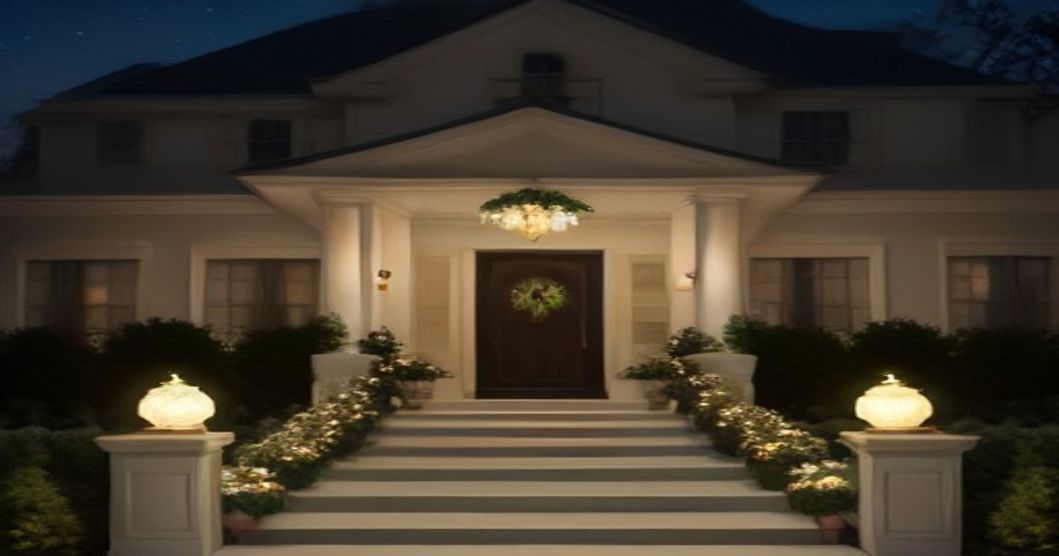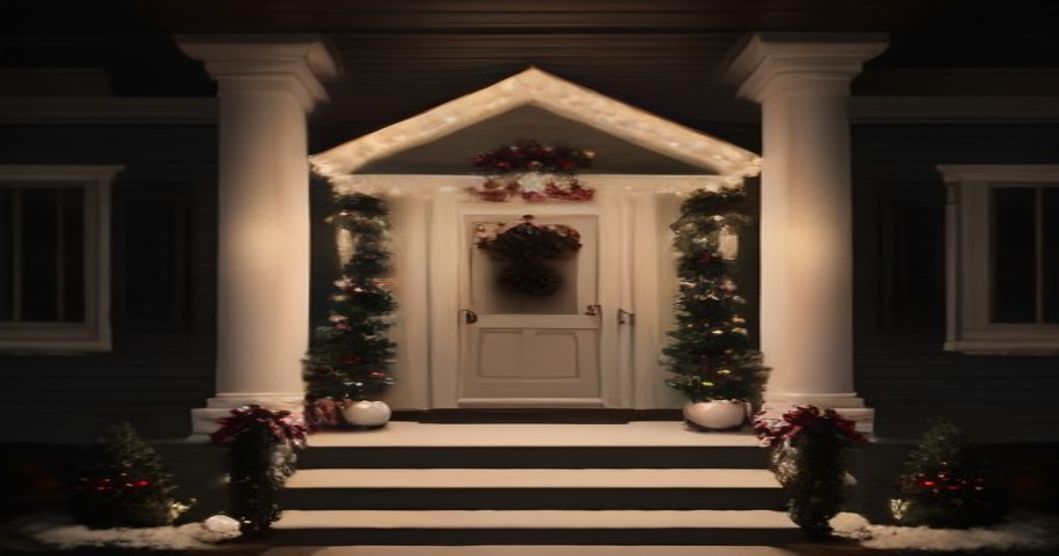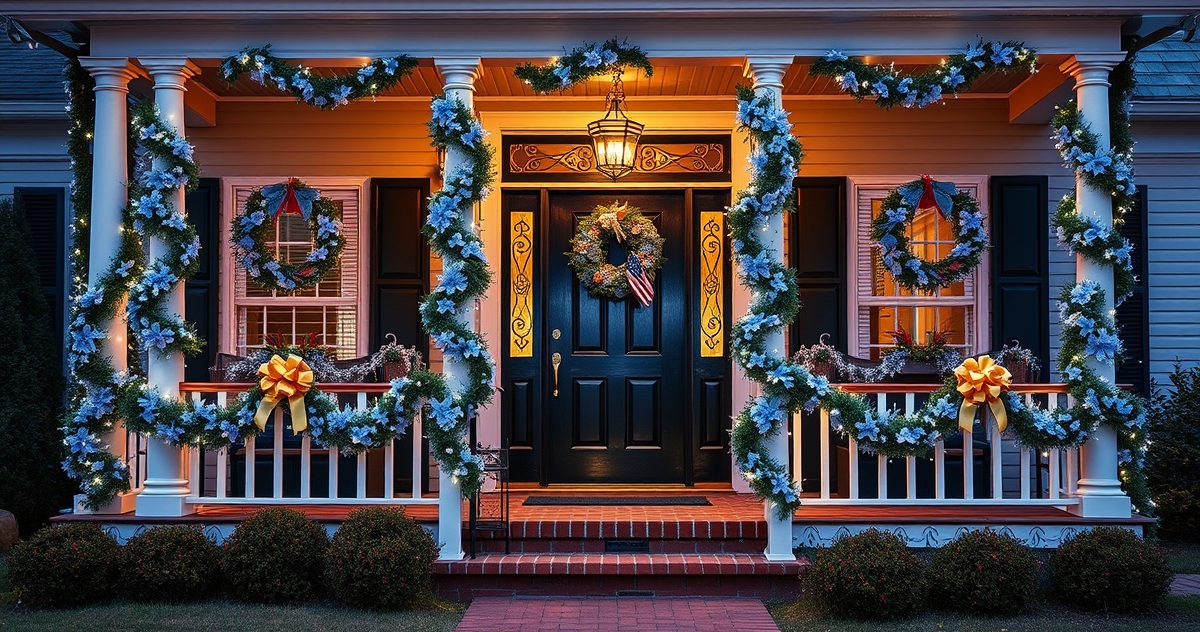
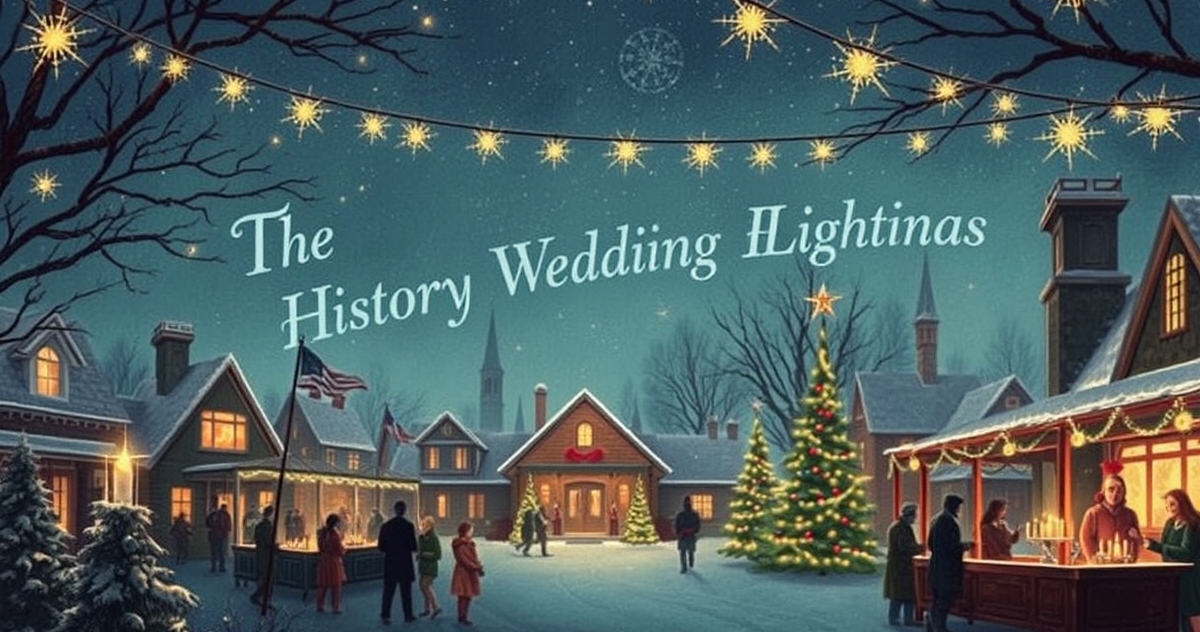
Picture a stone hall in the year 1400, where dozens of beeswax candles cast a trembling golden glow over a bride and groom. Now picture a Hudson Valley barn in 2026, where thousands of warm white mini lights drape overhead in a shimmering canopy that turns dusk into magic. Between those two scenes lies six centuries of innovation, artistry, and a quiet obsession with one thing — getting the light just right on the most important night of a couple's life.
The history of wedding lighting is, in many ways, the history of romance itself. It tracks how we've used illumination to set a mood, honor tradition, and create the kind of unforgettable atmosphere that lives on in photographs forever. Let's walk through that story — and see why the techniques we use today owe so much to the past.
Candlelight: The Original Wedding Glow
For most of human history, fire was the only option. Early weddings — whether in a cathedral, a manor house, or a humble village home — were lit by candles, oil lamps, and torches. Candlelight wasn't just practical; it was symbolic. A flame represented the spark of new life, the warmth of the home being formed, and the light of devotion.
Wealthy families displayed their status through sheer quantity of candles. A grand wedding might burn hundreds of beeswax tapers, which were far more expensive and cleaner-burning than the tallow candles ordinary households used. The soft, flickering quality of that flame is exactly the warmth couples still chase today — which is why modern warm white lighting remains the runaway favorite for weddings. It echoes candlelight without the smoke, the wax, or the fire hazard.
Even now, the unity candle ceremony and candlelit aisles keep that ancient tradition alive. The flame never really left weddings — we just learned to supplement it.
The Gaslight Era: A Brighter, Bolder Celebration
The 19th century brought gas lighting to homes, ballrooms, and reception halls across America and Europe. Suddenly, an evening wedding could glow brighter and longer than ever before. Gas chandeliers and wall sconces gave Victorian-era celebrations a luminous, almost theatrical quality.
This was the period when evening weddings became fashionable among the upper classes, precisely because they could now afford to light a space dramatically. The gaslight era also deepened the connection between lighting and elegance — the brighter and more controlled your light, the grander your event appeared. That principle still drives high-end event design today.
Edison's Spark: Electric Lights Change Everything
When Thomas Edison perfected the incandescent bulb in 1879, he didn't just light up streets and homes — he rewrote the rules for celebrations. And here's a detail near and dear to anyone in the lighting trade: the very first electric Christmas lights, strung by Edison's associate Edward Johnson in 1882, were the direct ancestors of the string lights we drape over weddings today.
By the early 20th century, electric bulbs began appearing at lavish weddings. The large, glowing globes of early lighting eventually evolved into the iconic C9 bulbs we still install on rooflines and outdoor venues across New York. Those substantial, classic bulbs carry an old-fashioned charm that pairs beautifully with rustic and vintage wedding themes. We see this crossover constantly — the same C9 craftsmanship that defines our residential holiday lighting work translates gorgeously to wedding venue facades and entryways.
If you're curious how those classic bulbs perform on a structure, our breakdown of C9 roofline lighting shows exactly why the warm, evenly spaced glow has endured for over a century.
The String Light Revolution and the Rise of the Canopy
The mid-to-late 20th century gave us the wedding lighting element couples now consider essential: the overhead canopy of string lights. As compact mini lights became affordable and widely available, designers began draping them across tents, barns, garden pergolas, and ballroom ceilings to create that magical "stars overhead" effect.
There's a reason the canopy became iconic. Lowering the light source overhead — rather than blasting it from fixtures on the floor or walls — creates flattering, intimate illumination. It softens faces, eliminates harsh shadows, and wraps guests in a warm cocoon of light. We've engineered countless of these installations, and the techniques in our guide on lighting a backyard wedding tent in the Hudson Valley come straight from this tradition.
For couples deciding between bulb styles, our comparison of summer wedding lighting with mini lights in Westchester walks through spacing, density, and the difference a professional canopy makes.
The LED Age: Cooler, Safer, Infinitely Flexible
The modern era belongs to the LED. Light-emitting diodes transformed wedding lighting in ways that would astonish a Victorian event planner. LEDs run cool to the touch — a critical safety advantage inside fabric tents and near floral arrangements. They sip electricity, which matters enormously when you're powering a sprawling outdoor venue. And they last for thousands of hours without burning out mid-reception.
Crucially, LEDs let us dial in the exact color temperature couples want. While cool white and color-changing options have their place, the overwhelming favorite remains warm white — the LED tone that most closely mimics the candlelight glow weddings have chased since the 1400s. If you're weighing tones for any installation, our warm white versus multicolor lighting guide explains exactly how each affects mood and photography.
Today's LED canopies can stretch across enormous spaces, drape from soaring ceilings, and wrap entire garden perimeters — all while maintaining that soft, romantic warmth. The technology changed; the goal never did.
What History Teaches Us About Wedding Lighting Today
Every era reached for the same outcome: a warm, flattering, emotionally resonant glow. The tools evolved from beeswax to gas to incandescent C9 bulbs to delicate LED mini lights, but the human instinct stayed constant. People want to feel held by light on their wedding day.
That's why professional installation matters so much. A canopy that sags, flickers, or glares undercuts the entire atmosphere. Proper tension, even spacing, hidden wiring, and reliable power distribution are the difference between a Pinterest dream and a stressful disaster. These are the same engineering standards we bring to our commercial lighting projects across New York — venues, restaurants, and event spaces that demand flawless, all-night reliability.
For couples planning a vintage or outdoor celebration, mixing eras is often the most striking approach: classic warm white C9 bulbs lining a barn facade or entry path, paired with thousands of mini lights forming the overhead canopy. It's a living timeline of wedding lighting history, all in one breathtaking scene.
Frequently Asked Questions
Why is warm white the most popular color for wedding lighting?
Warm white most closely replicates the soft, golden glow of candlelight — the original wedding illumination. It flatters skin tones, photographs beautifully, and creates an intimate, romantic atmosphere. That timeless quality is why it remains the top choice for both modern and vintage-themed weddings.
What's the difference between C9 bulbs and mini lights for a wedding?
C9 bulbs are the larger, classic globe-style bulbs that deliver a bold, nostalgic glow — perfect for outlining barn facades, entryways, and pathways. Mini lights are smaller and ideal for dense, sparkling canopy effects overhead. Many of the most stunning weddings combine both for layered, dimensional lighting.
Are LED wedding lights safe inside tents and near fabric?
Yes. LEDs run cool to the touch, unlike older incandescent bulbs, which makes them far safer around fabric tents, drapery, and floral arrangements. They also use less power, reducing the load on generators and electrical systems at outdoor venues.
How far in advance should I book wedding lighting in New York?
For peak season weddings, we recommend booking at least three to six months ahead to secure your date and allow time for a custom design consultation. Reach out through our quote page as early as possible for popular spring and summer dates.
Can professional installers create a true overhead light canopy?
Absolutely. A proper canopy requires correct tension, even spacing, concealed wiring, and reliable power distribution — all best handled by professionals. We engineer canopies that stay taut and glowing all night, transforming tents, pergolas, and ballrooms into magical spaces.
From candlelit halls to shimmering LED canopies, wedding lighting has always been about creating a moment couples never forget. If you're dreaming of that perfect warm white glow for your New York celebration, our team brings over a century's worth of lighting tradition — and modern professional craftsmanship — to every installation. Contact us or call (908) 336-2625 to start designing the lighting that turns your day into something timeless.